
Call us now
08071792140

 Send Inquiry
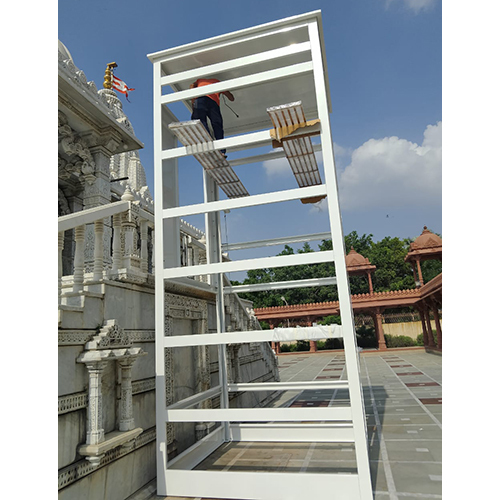
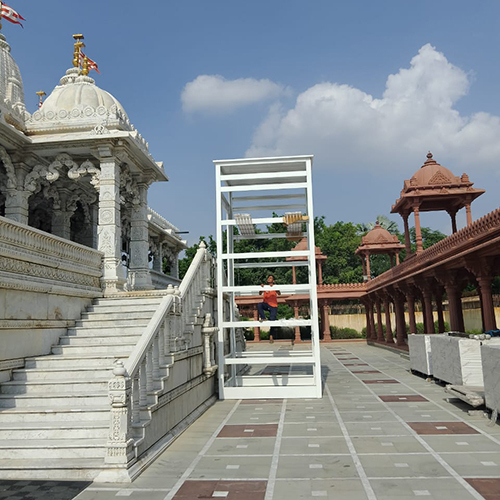
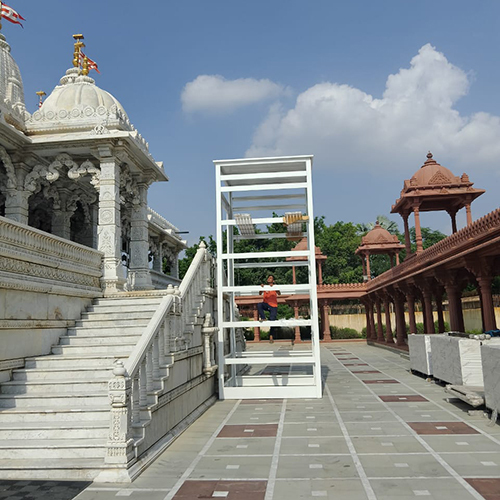
Lift Assembly
Price 10000.0 INR/ Unit
MOQ : 1 Piece
Lift Assembly Specification
- Machine Room Size
- 2000 x 2200 mm
- Car Dimension
- 1100 x 1400 mm
- Voltage
- 380 V Volt (v)
- Hoist Way Size
- 1600 x 1800 mm
- Usage
- Commercial Buildings, Residential Apartments
- Inclination
- 0 (Vertical)
- Pit Depth
- 1600 mm Millimeter (mm)
- Noise Level
- <65 dB db
- Overhead Height
- 4200 mm Millimeter (mm)
- Load Capacity
- 800-1000 kg Kilograms (kg)
- Door Opening Size
- 700 mm
- Material
- other Sheet
- Drive Type
- Other
- Power Supply
- 3 Phase, 50 Hz
- Max. Lifting Height
- 15 m Meter (m)
- Max. Lifting Weight
- 1000 kg Kilograms (kg)
- Mechanism Type
- Other
- Working Temperature
- -10C to +50C Celsius (oC)
- Safety Device
- Overload Protection, Emergency Stop, Door Interlock
- Capacity
- 800 kg Kg
- Lighting
- LED Cabin Lighting
- Flooring
- Anti-skid PVC/Granite
- Display
- Digital Floor Position Indicator
- Guide Rail
- T-Guide, Machined Steel
- Cabin Fan
- High-ventilation Fan
- Finishing
- Scratch-proof, Powder Coated
- Emergency Alarm
- Provided
- Operating Panel
- Stainless Steel with Braille Buttons
- Door Type
- Automatic Center-Opening
Lift Assembly Trade Information
- Minimum Order Quantity
- 1 Piece
- Delivery Time
- 7 Days
About Lift Assembly
A lift assembly consists of a car (cabin) traveling along guide rails within a vertical hoistway, powered by a machine (traction or hydraulic) located in a machine room or within the shaft. Key components include the car, counterweight, guide rails, control system, ropes/belts, and a pit with safety bumpers, designed for vertical transportation.Key Components & Assembly Features
Lift Car & Frame: The passenger or goods carriage, typically constructed with a steel frame, guide shoes, and safety gear.
Machine Room Equipment: Houses the traction motor, drive sheave, brake, and controller, often positioned at the top of the shaft.
Guide Rails: Vertical tracks (usually steel) installed on opposite sides of the shaft to keep the car and counterweight stable.
Counterweight: A weight that offsets the load of the car, typically equaling the car's weight plus 4050% of its capacity.
Hoistway/Shaft: The vertical, fire-rated concrete or steel structure enclosing the lift.
Lift Pit: The bottom-most part of the shaft that houses buffers and electrical equipment; must be waterproofed.
Control System: Uses microprocessors and Variable Voltage Variable Frequency (VVVF) drives for smooth acceleration and precise leveling at floors.
Installation/Assembly Process
Shaft Preparation: Cleaning, verifying verticality, and installing hoisting beams in the machine room.
Guide Rail Installation: Securing rails to the shaft walls with brackets for accurate vertical alignment.
Machine & Controller Placement: Installing the drive machine, sheaves, and controller, especially for traction lifts.
Innovative Features for Enhanced Passenger Experience
This lift assembly brings together modern automation with a user-friendly design. The automatic center-opening door enables swift entry and exit, while the digital floor indicator makes navigation simple and intuitive. Anti-skid flooring in PVC or granite enhances occupant safety, and LED lighting paired with a high-ventilation fan ensures a comfortable cabin atmosphere throughout operation.
Safety and Reliability Built-In
Advanced protection is integral to this lift, incorporating overload protection, emergency stop, and door interlock systems to ensure passenger security. The sturdy T-Guide, machined steel guide rails, and microprocessor-based control further support reliable operation, even in high-demand environments. The stainless steel and powder-coated finish offers durability and resistance to scratching, keeping the lift looking pristine for years.
FAQ's of Lift Assembly:
Q: How does the automatic center-opening door system operate in this lift assembly?
A: The automatic center-opening doors utilize a mechanism powered by the microprocessor-based control system. Doors swiftly open from the center, providing wider entry and exit, which is particularly beneficial for high-traffic commercial and residential buildings.Q: What safety measures are included with this passenger lift assembly?
A: Safety features include overload protection, an emergency stop button, door interlock system, stainless steel control panel with Braille buttons, and a provided emergency alarm. These collectively minimize risks and enhance passenger security during operation.Q: When should the lift's preventive maintenance be performed?
A: Preventive maintenance is typically recommended on a monthly or quarterly basis by the manufacturer or authorized supplier. Regular servicing ensures optimal performance, safety adherence, and extended equipment lifespan.Q: Where can this elevator system be installed?
A: This lift assembly is suitable for installation in commercial buildings and residential apartments across India. Its configuration and robust design make it adaptable to various high-capacity transport needs within these environments.Q: What is the process for installing the lift, and what site preparations are needed?
A: Installation involves preparing the hoist way (1600 x 1800 mm), ensuring the pit depth (1600 mm) and machine room (2000 x 2200 mm) are constructed according to specifications. Professional technicians will securely assemble the lift, install guide rails and wiring, and complete operational tests before handover.Q: How does the microprocessor-based control device benefit lift operation?
A: The microprocessor-based control ensures smooth, precise, and reliable lift movement. It manages functions such as acceleration, door operation, and emergency responses, resulting in improved passenger comfort, efficiency, and operational safety.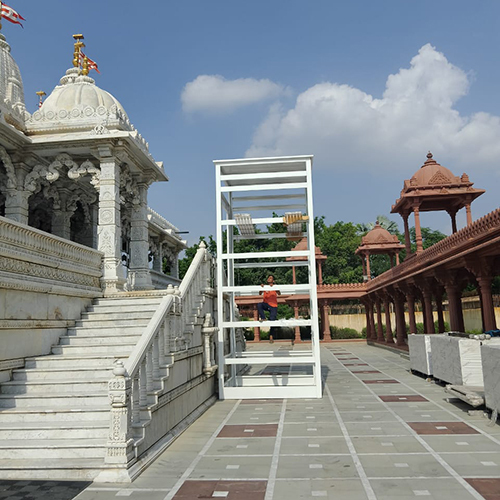
Tell us about your requirement

Price:
Quantity
Select Unit
- 50
- 100
- 200
- 250
- 500
- 1000+
Additional detail
Mobile number
Email


MLV Enterprises
GST : 09ACBFM6277A1ZA
GST : 09ACBFM6277A1ZA
Plot no. E-176, Kavi Nagar, Near Diamond Palace Industrial Area,Ghaziabad - 201002, Uttar Pradesh, India
Phone :08071792140
 Send Inquiry
 Send Inquiry
 Send SMS
MLV Enterprises
All Rights Reserved.(Terms of Use)
Developed and Managed by Infocom Network Private Limited.
Developed and Managed by Infocom Network Private Limited.

